Don’t miss Friday
I wasn’t raised in a liturgical church. We didn’t follow any sort of liturgical calendar, and although Good Friday was mentioned, it was always as a stepping stone on the path to Easter. A depressing but necessary scene on the way to the resurrection. We talked about Good Friday but kept our eyes constantly focused on Sunday. In our recognition of Good Friday, I don’t remember actually being fully present to that moment. Friday was never mentioned without also mentioning Sunday. We were moving through it as quickly as we could to get to what we knew was coming.
This isn’t unusual.
Our culture is one that is obsessed with avoiding pain. We’ve come up with a long list of ways to numb the pain of life. Prescription painkillers. Accumulating wealth. Narcotics. Alcohol. TV. Extreme sports. Social media. Pornography. Overeating. Climbing the corporate ladder. Shopping. The Church, it seems, is no different. Our methods of escape may be different (although often they aren’t) but the sentiment is the same … avoid pain at all costs.
To be fair, it’s completely counter intuitive. It goes against everything in our human nature to attend to pain.
It doesn’t just go away
When I experienced the unexpected loss of my dad at 58, I did everything I could to avoid the grief. I thought avoiding the pain was the way past it. I was the oldest child so I felt the responsibility of caring for my siblings. I kept busy arranging logistics of the memorial service. I had a newborn, so I focused on learning how to be a new mother. I thought if I held the grief at bay long enough, it would just go away. That was 14 years ago. I probably don’t need to tell you this, but it doesn’t just go away. It lives on inside of you, surfacing at unexpected (and sometimes inconvenient) moments. It demands to be acknowledged.
In my counseling journey over the past few years, I’ve learned something hugely important:
There is great purpose in grief.
However that purpose only is available if we are willing to sit in it. To hold space for the sadness. To tolerate the uncomfortable. To look the pain fully in the face. Moving past it too quickly means missing out all that grief has to offer. Leaning into the grief — staying present with the pain and feeling it fully — can have a profound and lasting effect on us, and in the processing of it, offer a way out from under it.
But it takes a willingness to come face to face with it. And that takes great courage.

There is a reason for Holy Saturday
There is purpose in the waiting and the doubting and the unknown. The wrestling and the struggle have meaning. The resurrection could have happened the very next morning, but it didn’t. The day in between was one of grief and loss and confusion for those who loved and believed Jesus. Many who had put their hope in him being the promised messiah were dealing with intense disappointment and betrayal. They were probably doubting themselves and everything about him. What were they thinking? How could they have been so stupid as to believe he had been the One?
Where do we find ourselves in the day in between?
As I engage with Good Friday, here are some things I find myself wondering about:
If I were there at the events in Jerusalem, how might I have reacted to the crucifixion?
Who would I have blamed?
How would I have spent that Saturday?
What kind of social media status would I have shared?
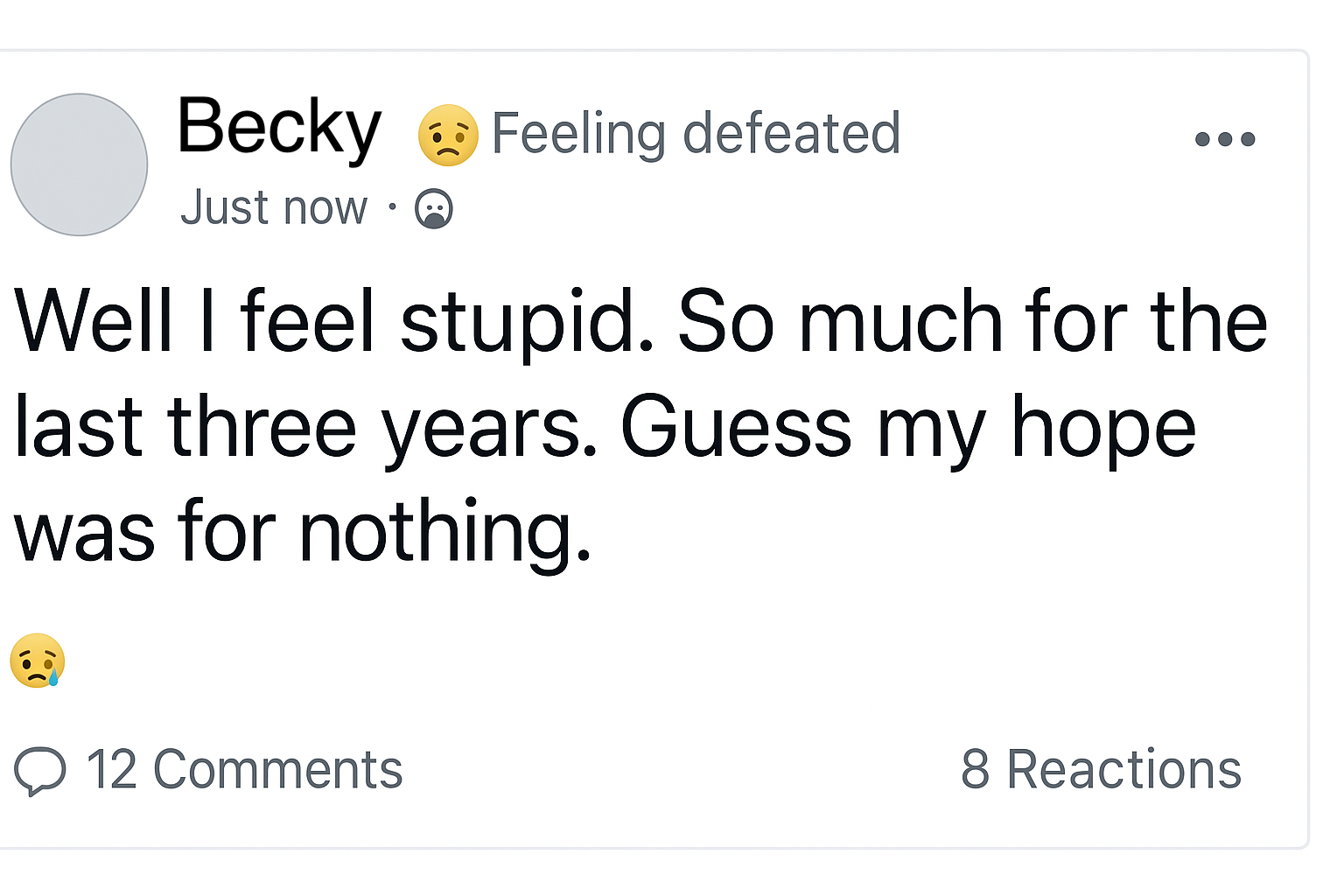
Thinking about Good Friday and contemplating the events of the day, sitting with the sadness and imagining what those who were there must have been feeling … that is what makes Easter meaningful to me.
I love Easter, but the more I learn to appreciate and honor grief, I find I love Good Friday even more.
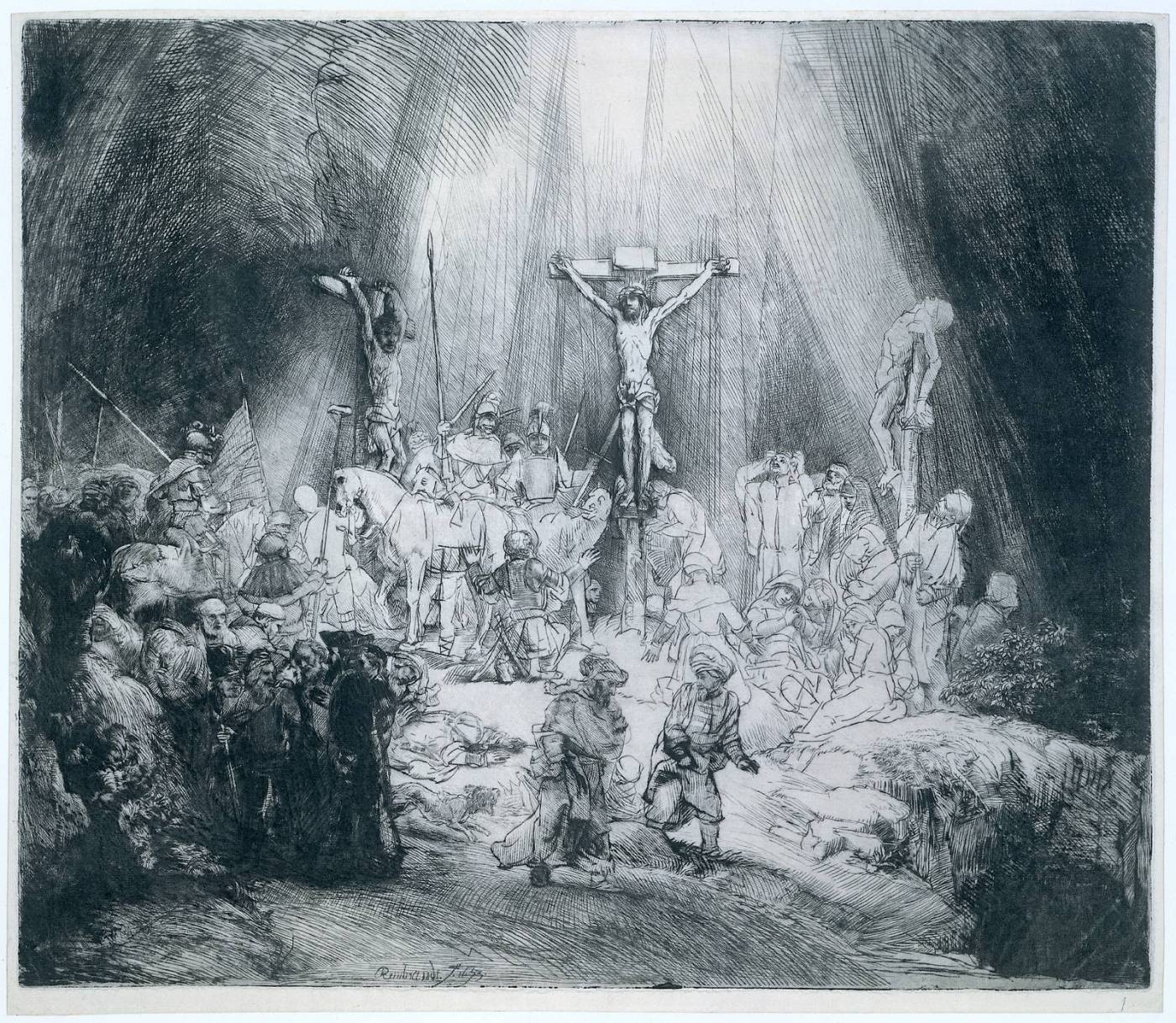
(Featured image: Rembrandt (1606-1669) “The Three Crosses” – public domain)
 These Words of Mine
Leave a comment